



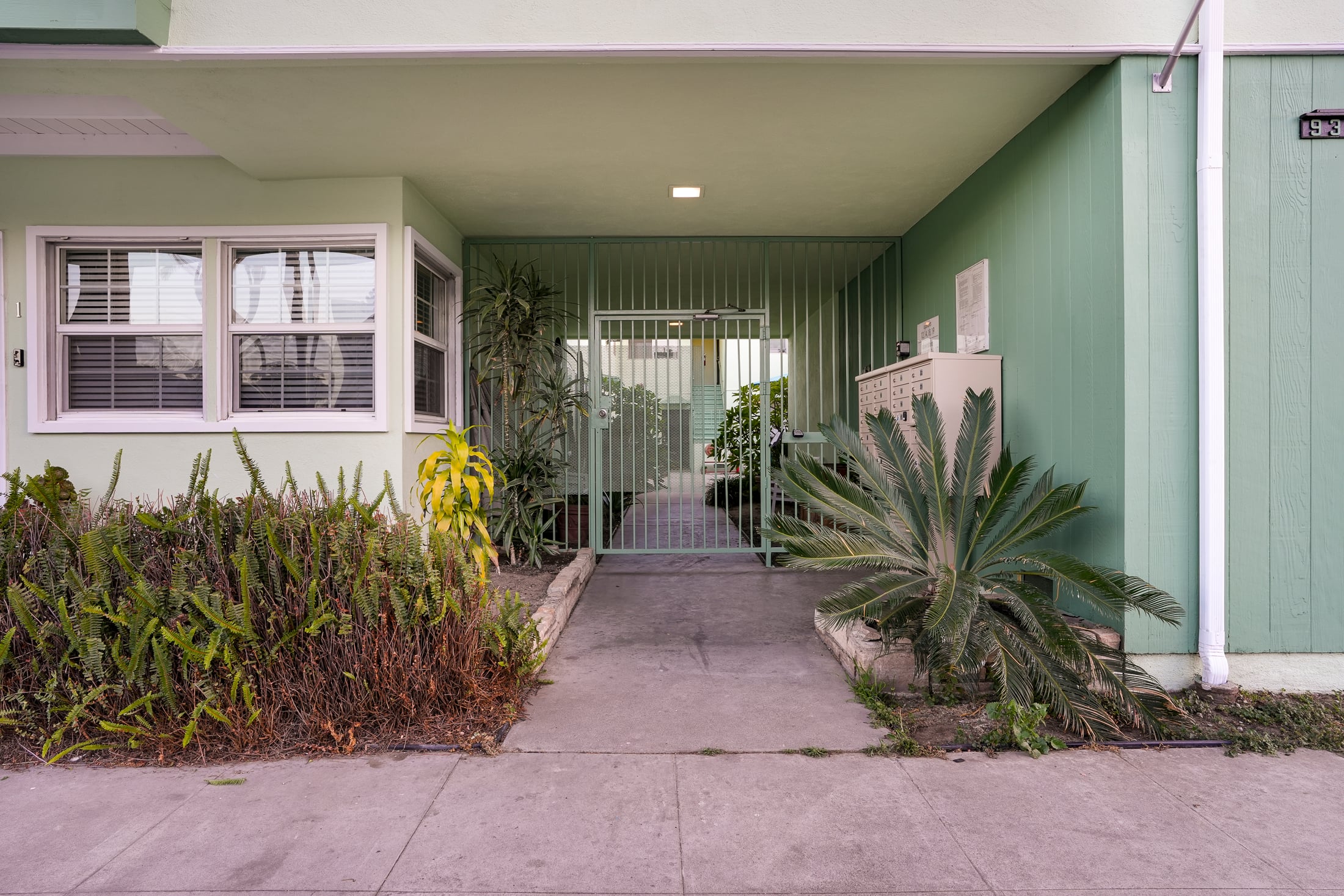
f you're searching for a home or investment property in Long Beach, you've likely come across listings labeled "Own Your Own" (OYO) alongside traditional condos — and wondered what the difference actually is. It's one of the most common questions I hear from buyers in Belmont Shore, Belmont Heights, Bixby Knolls, and Downtown Long Beach, and it's an important one to understand before you write an offer.
While a condo and an Own Your Own property can look identical from the curb — shared walls, shared amenities, a single HOA — the ownership structure underneath is completely different. That difference affects your financing options, your insurance, and even how quickly you can resell.
As a RealTrends Verified Top Agent ranked #1 in Long Beach by closed sales volume, I work with condo and Own Your Own transactions across Long Beach and the South Bay regularly, so here's the breakdown I give every buyer who asks.
What Is a Condo? (Real Property Ownership)
When you buy a condominium in Long Beach, you own real property — specifically, the interior airspace of your unit, recorded with its own legal description and parcel number. You hold fee simple title, just like you would with a single-family home. The building's common areas (roof, land, hallways, pool, landscaping) are owned collectively by all unit owners through the HOA.
Because condo buyers own real property outright, condos are typically:
- Financeable with conventional, FHA, and VA loans
- Insurable through a standard HO-6 condo policy
- Transferred with a grant deed, just like a house
What Is an Own Your Own (OYO)? (Shares + Proprietary Lease)
An Own Your Own, sometimes called a stock cooperative, works differently. Instead of owning your specific unit, you own shares in a corporation that owns the entire building. Your purchase gives you shares proportional to your unit, plus a proprietary lease granting you the exclusive right to occupy it.
You don't hold a deed to real property — you hold a stock certificate and a lease. That distinction has real, practical consequences for buyers:
- Financing is more limited. Many conventional lenders won't lend on OYOs since there's no real property securing the loan. Buyers often need specialized share loans or all-cash offers.
- Buyer approval may apply. Some OYO corporations retain approval rights over incoming buyers, similar to a traditional co-op.
- Insurance works differently. You're insuring your shares and interior improvements rather than the physical structure.
- Resale can take longer. A smaller pool of eligible buyers and lenders can mean more time on market and fewer comparable sales for appraisal purposes.
Why This Matters for Long Beach Buyers Specifically
Long Beach has a meaningful concentration of older Own Your Own buildings, especially among classic mid-century multi-unit properties near the coast. These can represent excellent value — often priced below comparable condos precisely because the narrower financing pool limits buyer competition. For a cash buyer or someone comfortable navigating a share loan, that pricing gap can mean real upside, whether as a primary residence or an investment property.
But if you're planning to finance conventionally, or think you may need to sell relatively quickly, it's essential to know the ownership structure before you fall in love with a unit.
Questions to Ask Before You Write an Offer
- Is this property a fee-simple condo or an Own Your Own / stock cooperative?
- If it's an OYO, what financing options actually exist for this specific building?
- Does the corporation have a buyer approval process?
- What do recent comparable sales within that same ownership structure look like?
The Bottom Line
Both condos and Own Your Owns can be excellent homes and smart additions to a real estate portfolio — but they are not interchangeable from a legal or financing standpoint. Understanding which structure you're buying into is one of the most important steps in the process, right alongside location, condition, and price.
If you're evaluating a condo or Own Your Own purchase in Long Beach, the South Bay, or Greater Los Angeles — whether it's your first home or your next investment — I'm happy to walk through the specifics and pull the right comparable sales so you know exactly what you're buying.
Costanza Genoese Zerbi Broker Associate, eXp Realty of Greater Los Angeles | DRE #01941438 RealTrends Verified Top Agent | Long Beach's #1 Agent by Closed Sales Volume costanzagz.com | 562-221-4527
Check out this article next