


Just Closed: How a New Balcony Inspection Law Changed the Financing on This Long Beach Condo Sale
By Costanza Genoese Zerbi | RealTrends Verified Top Agent Southern California | eXp Realty of Greater Los Angeles
Published July 2026 | Reading time: approximately 5 minutes
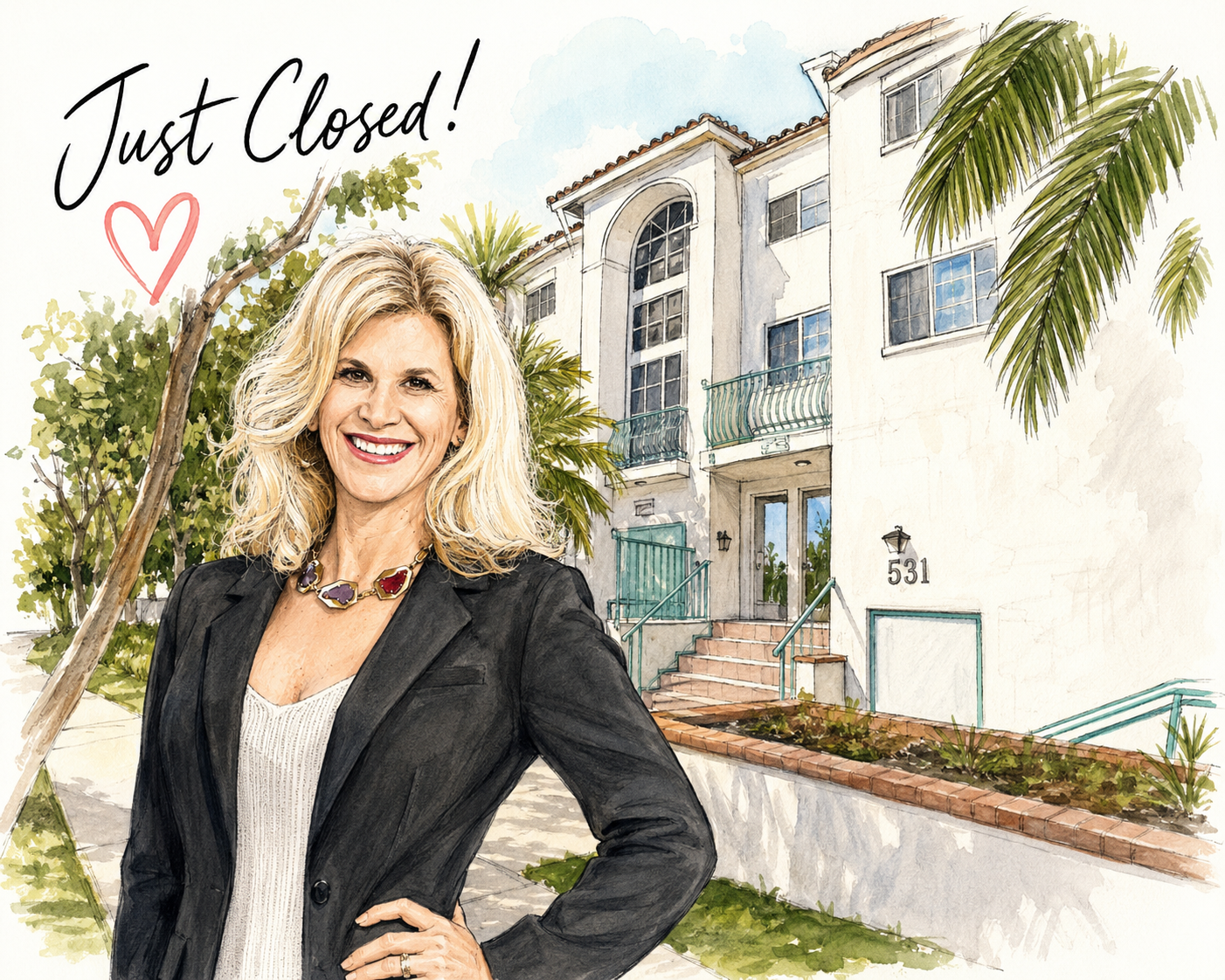
I just closed escrow on 1335 Newport Avenue, Unit #104 in Long Beach — a $600,000 condo purchase with a story worth sharing, because it's a situation more Long Beach buyers are going to run into.
My clients, a couple with a son attending Cal State Long Beach, were looking for a place he could live in now — with a longer-term plan in mind. We looked at a lot of properties before landing on this one, because it needed to check two boxes at once: something that worked for their son today, and something that made financial sense as a future retirement home for them. Their plan is to rent out two of the additional rooms in the unit, using that rental income to help offset the mortgage while their son is in school.
What almost derailed the deal
This escrow took longer, and got more complicated, than a typical condo purchase — because of a California law most buyers have never heard of: SB 326.
SB 326 (signed in 2019, codified as California Civil Code §5551) requires condominium HOAs to have a licensed engineer or architect inspect "exterior elevated elements" — balconies, decks, stairways, and walkways — on a recurring nine-year cycle. It was passed after a tragic balcony collapse in Berkeley, and the first inspection deadline for existing HOAs was January 1, 2025.
Here's why that mattered for this deal: this building's HOA was navigating the requirements of that inspection, and that status affected whether the property qualified for standard mortgage financing. When a condo building has open or unresolved structural inspection issues, many conventional lenders won't touch it — the loan becomes what's called non-warrantable.
What a non-warrantable loan actually means
A non-warrantable loan is mortgage financing for a condo that doesn't meet Fannie Mae or Freddie Mac's standard eligibility guidelines — often because of HOA litigation, high investor-ownership percentages, insufficient reserves, or, increasingly, unresolved SB 326 inspection and repair requirements. These loans exist, but not every lender offers them, interest rates tend to run higher, and the process requires more documentation and expertise to navigate successfully.
I wrote previously about how Fannie Mae's 2026 condo lending changes are affecting Long Beach buyers — this deal is a real, current example of exactly that kind of complication playing out in escrow.
Why this matters if you're buying or selling a condo in Long Beach
SB 326 compliance is becoming a bigger factor in Long Beach condo transactions, especially in older buildings. If you're a buyer, it's worth asking early whether a building has completed its SB 326 inspection — it can affect your financing options before you're deep into escrow. If you're a seller or an HOA board member, getting ahead of your inspection requirements can prevent exactly the kind of last-minute complications my clients and I worked through on this deal.
For my clients, it was worth it. Their son has a home near campus, two rooms will help cover the mortgage, and they've secured a future retirement property in Long Beach — all while navigating financing most buyers (and honestly, a lot of agents) never have to deal with.
If you're considering buying a condo in Long Beach and want to understand how SB 326 or non-warrantable financing might affect your purchase, I'm happy to walk through your specific situation.
Frequently Asked Questions
What is SB 326? SB 326 is a California law requiring condominium HOAs to have a licensed engineer or architect inspect balconies, decks, stairways, and other exterior elevated elements on a recurring nine-year cycle. It's codified as California Civil Code §5551.
What is a non-warrantable loan? A non-warrantable loan is mortgage financing for a condo that doesn't meet Fannie Mae or Freddie Mac's standard eligibility requirements — often due to HOA litigation, insufficient reserves, high investor ownership, or unresolved structural inspection issues like those under SB 326.
Does SB 326 affect all condos in Long Beach? It applies to condominium associations with three or more units statewide, including Long Beach. Buildings with unresolved inspection or repair requirements may face financing complications until those issues are addressed.
About Costanza Genoese Zerbi
Costanza Genoese Zerbi is a Broker Associate at eXp Realty of Greater Los Angeles and the founder of Costanza Genoese Zerbi & Associates. She is a RealTrends Verified Top Agent in Southern California — five consecutive years — with 600+ closed transactions and more than $500 million in career sales volume. She serves buyers and sellers across Long Beach, the South Bay, greater Los Angeles, and Orange County.
Contact: 📲 (562) 221-4527 🌐 costanzagz.com 📍 1650 Ximeno Ave Suite 300, Long Beach CA 90804 DRE #01941438
Check out this article next